
There is something inherently defiant about growing a tomato in the middle of a city.
To plant a seed in a place designed for steel and glass is a quiet act of rebellion. It’s a middle finger to the “1,500-mile Caesar salad” and the sterile, lonely hallways of modern apartment living. Urban farming isn’t just about food; it’s about reclaiming our right to touch the earth, even if that earth is currently sitting in a plastic crate on a 14th-floor balcony.
The Death of the “Food Desert”
In the suburbs, a garden is a hobby. In the city, it’s often a lifeline. We talk a lot about “food deserts”—those gray zones in our cities where you can buy a lottery ticket and a bag of chips on every corner, but you have to take three buses to find a fresh bell pepper.
When a community takes over a vacant lot, they aren’t just cleaning up trash. They are building a grocery store that doesn’t care about your credit score. They are growing “hyper-local” nutrition—veggies that haven’t been gassed, waxed, and shipped across an ocean.
The “Third Space”
Modern cities are lonely. We have “First Spaces” (home) and “Second Spaces” (work), but we’ve lost our “Third Spaces”—the plazas and parks where you actually meet people.
An urban farm is a high-functioning Third Space. You can’t stand over a shared irrigation line without eventually talking to the person next to you. It forces the “Introvert’s Paradox”: we want to be alone, but we need to be connected. Farming gives us an excuse to talk to the neighbor we’ve ignored for three years. “Are those aphids?” is a much better icebreaker than “How about this weather?”
Thermostats and Rain
Then there’s the sheer physics of it. If you’ve ever walked from a shaded park onto a sun-baked parking lot, you’ve felt the Urban Heat Island Effect. Our cities are ovens. Plants are the exhaust fans.
By covering our rooftops in green, we aren’t just making them look pretty for Instagram. We are literally lowering the temperature of the building. We’re catching the rain before it floods the subways. We’re inviting the bees back to a place that tried its best to pave them over.
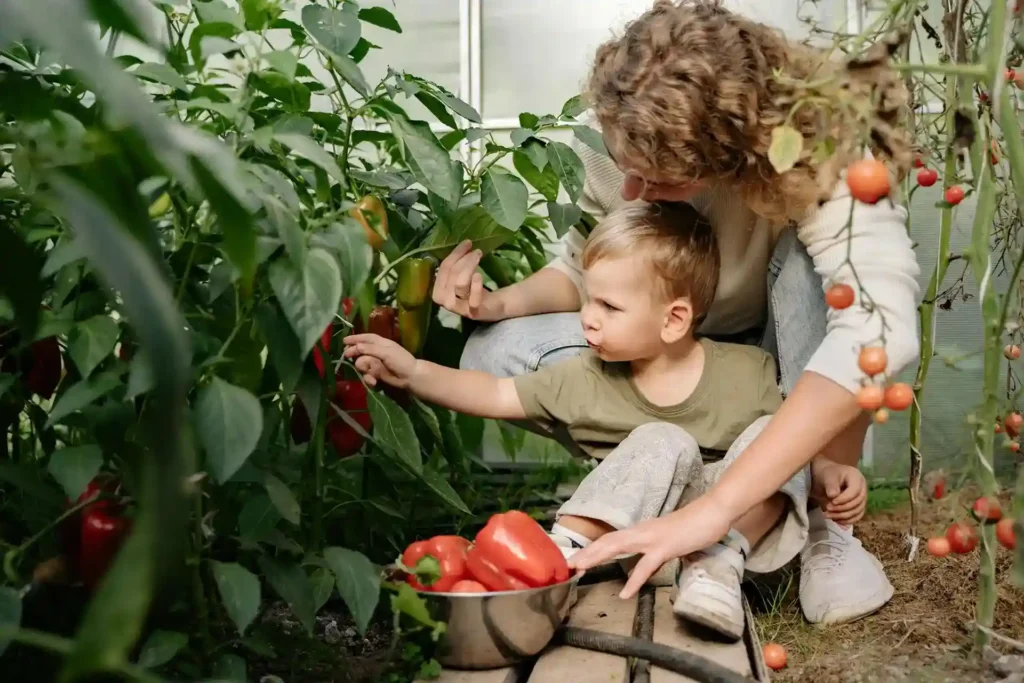
The Bottom Line: We don’t farm in the city because it’s easy. It’s actually quite hard. You have to fight for sunlight, haggle for water, and keep the local squirrels from staging a coup.
We do it because it makes the city feel like a home instead of just a grid. It reminds us that no matter how much concrete we pour, the dirt is still down there, waiting to give us something back.